Ever wondered what actually happens to your scrap car once you’ve sold it to a wrecker? For car owners, it is the final goodbye for the old motor, but the vehicle’s journey doesn’t end when you hand over the keys.
Learn what car wreckers do with the scrap cars they have acquired, and why the work wreckers do is so important.
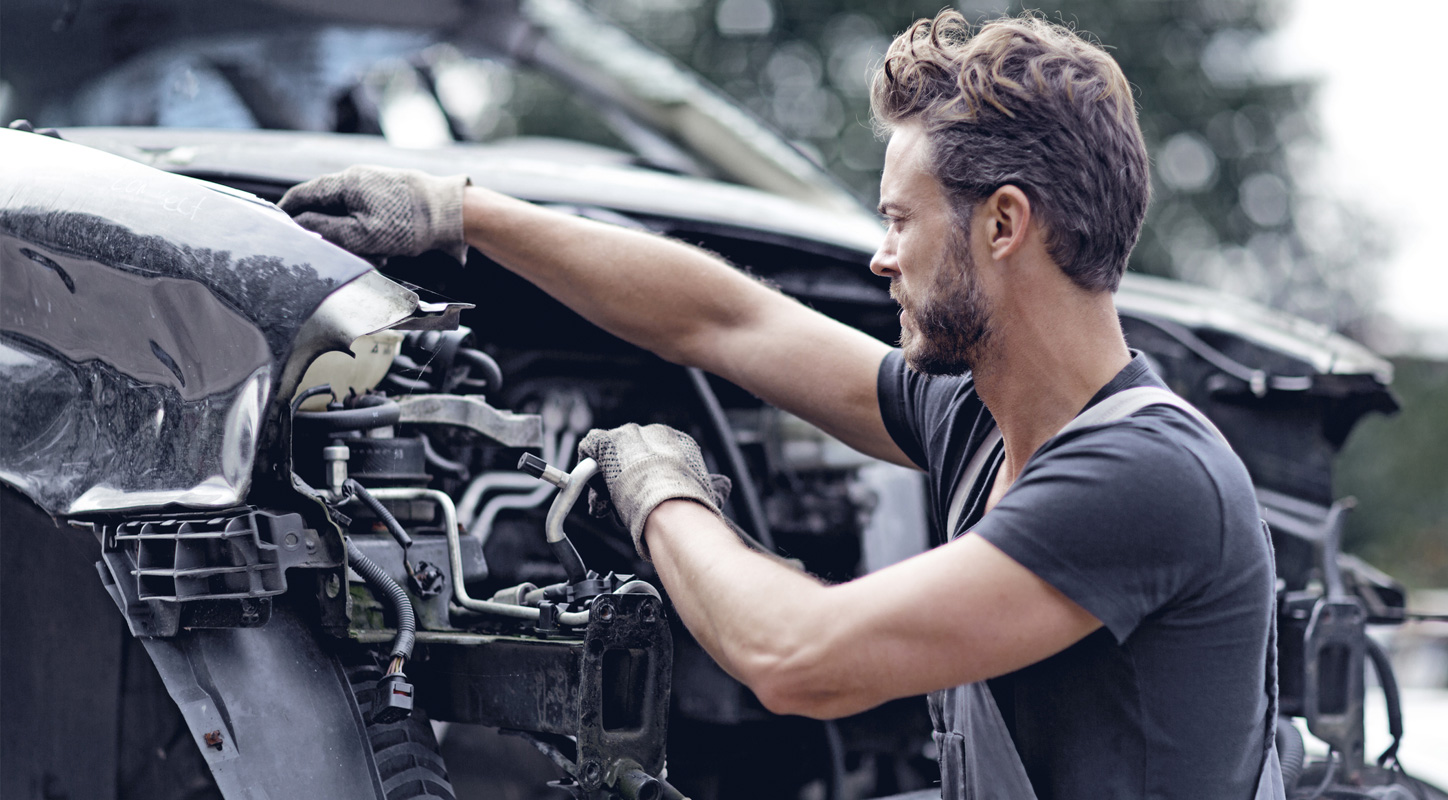
Car wrecking is the business of carefully dismantling and salvaging wrecked, broken or otherwise decommissioned vehicles. On a per vehicle basis, a car wrecking team will identify and recover any usable parts, such as engines, transmissions, and panels, which can be salvaged and sold on. This process which takes place at the wreckers yard provides affordable spare parts to car owners and contributes to a circular economy, so we’re less reliant on new parts being manufactured.
Unusable metal parts, such as a wrecked chassis, bumper, or internal components which are damaged beyond repair, are sold to scrap metal companies who process and recycle it.
Rather than leaving old vehicles to rust and damage the environment, car wreckers work to ensure responsible disposal of end-of-life cars.
Car buying: Wreckers buy damaged, wrecked, or totalled vehicles, often from owners or insurance companies
Car dismantling: Wreckers carefully take apart vehicles to remove functional components for reuse or recycling
Parts salvaging: Wreckers clean, repair and sell used parts, such as engines and electronic components
Car recycling: Wreckers safely dispose of hazardous materials such as oil, battery acid, fluids and recycle the remaining metal, glass and plastics
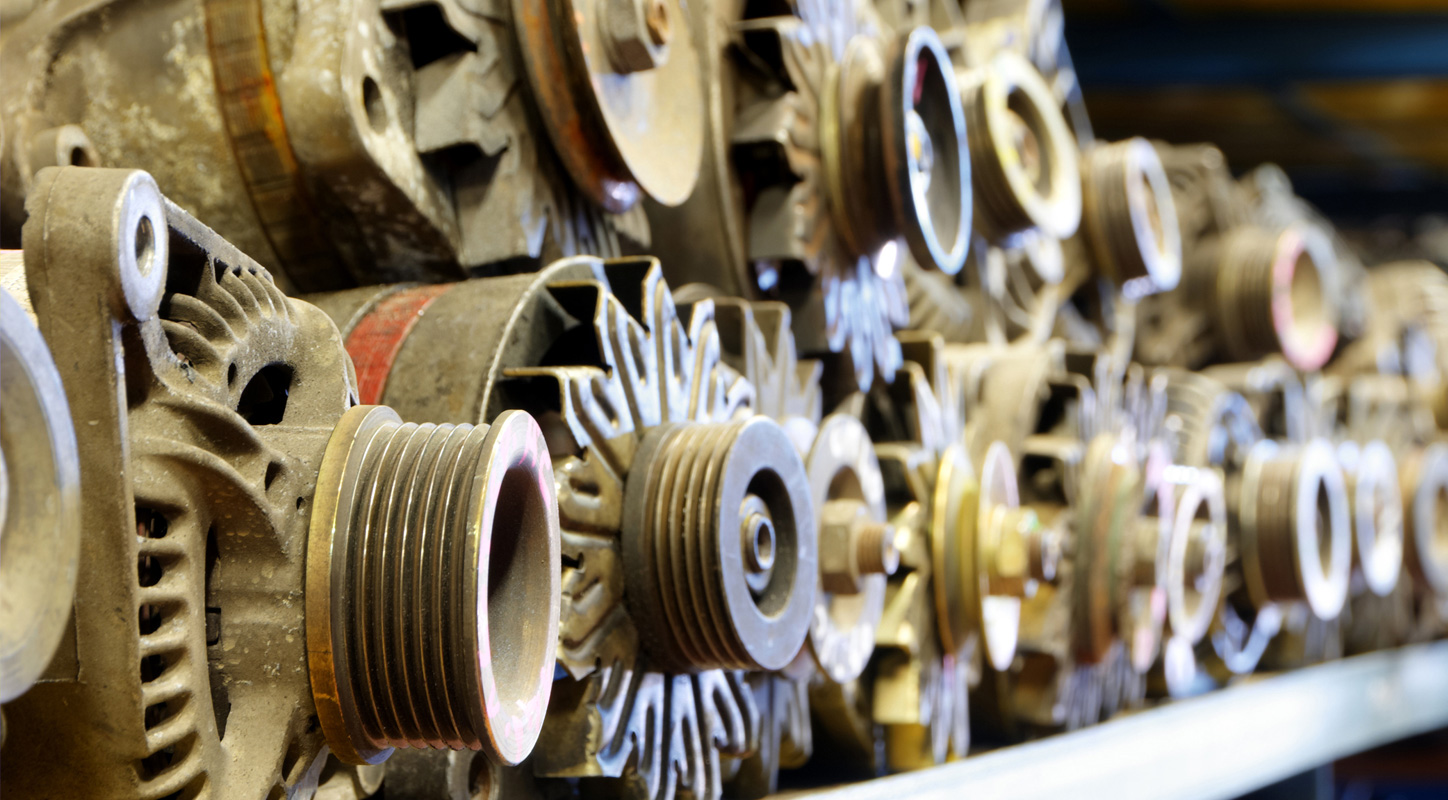
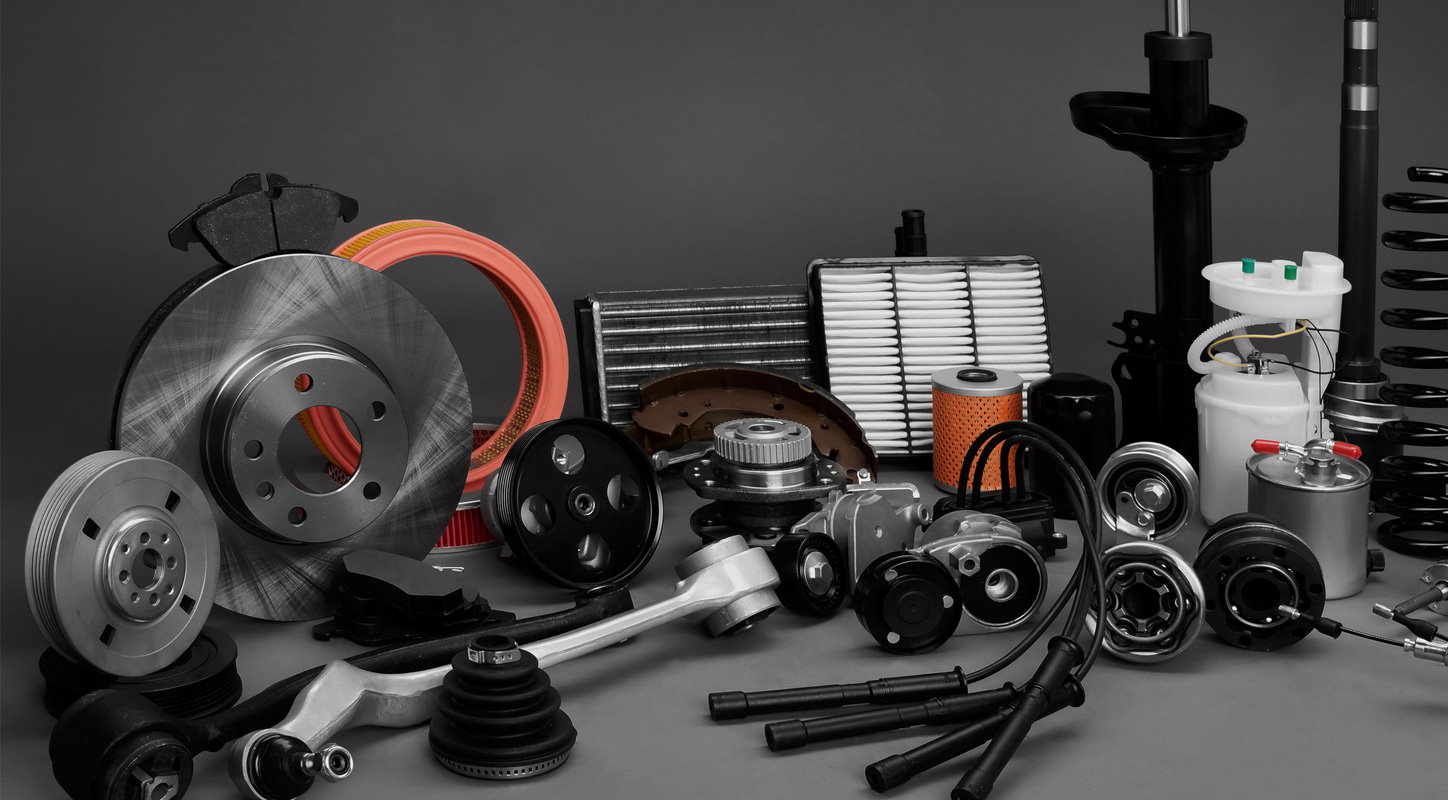
Dismantled cars can sometimes yield a number of reusable parts. Each of these may still be of value to someone else looking to buy spares to keep their car on the road for longer. Car wreckers commonly recycle and re-sell used car parts such as:
It may only be a handful of old or broken components which render a car undriveable, but the majority of the internal or external components will often be in perfect working order to be reused.
Car wreckers recycle cars by following a complicated process that ensures all usable components are recovered and that all unusable materials are recycled appropriately. This process also includes the safe disposal of materials and fluids which are not good for re-sale or recycling.
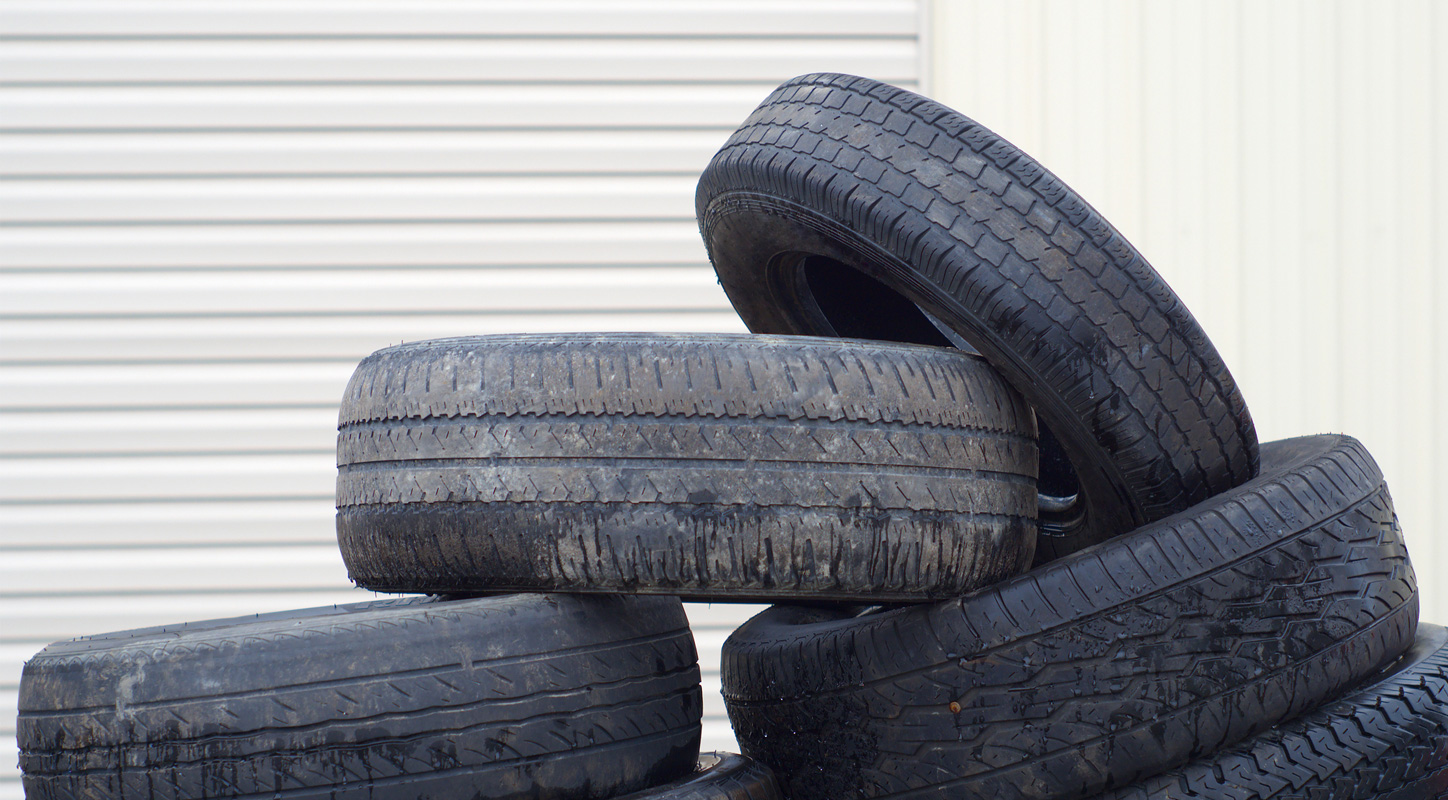
Wreckers will remove wheels and tyres from the cars that they scrap. A car that has been scrapped due to an engine failure or severe chassis damage may still have relatively new tyres with plenty of life left in them. Second hand tyres and wheels are a useful and cost-effective option for existing car owners.
This is the exhaust emission control device that helps reduce pollutants from a car’s exhaust fumes. They are used in vehicles powered by internal combustion engines (such as gasoline or diesel) and brand new replacements can be costly.
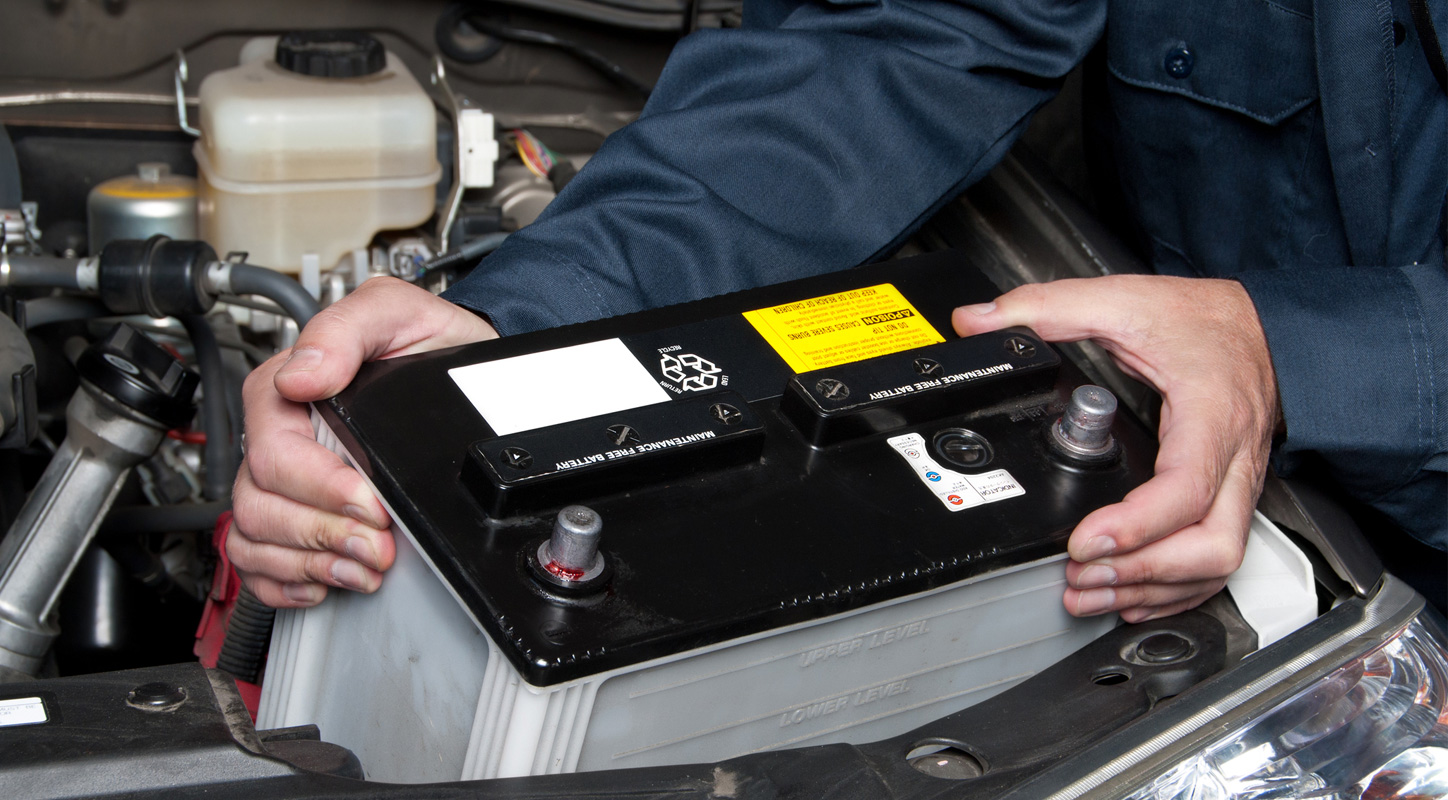
The car wrecking team will remove the battery and reuse it if it has plenty of juice left. Car batteries are a commonly replaced component. Scrapped cars may have a battery that is still healthy; this can be very helpful to other drivers to reuse.
Cars use a variety of different fluids, such as engine coolant, engine oil, transmission fluids, fuel, air conditioning refrigerant and windscreen wiper fluid. Car wreckers will drain the vehicle of all these fluids as part of the dismantling process.
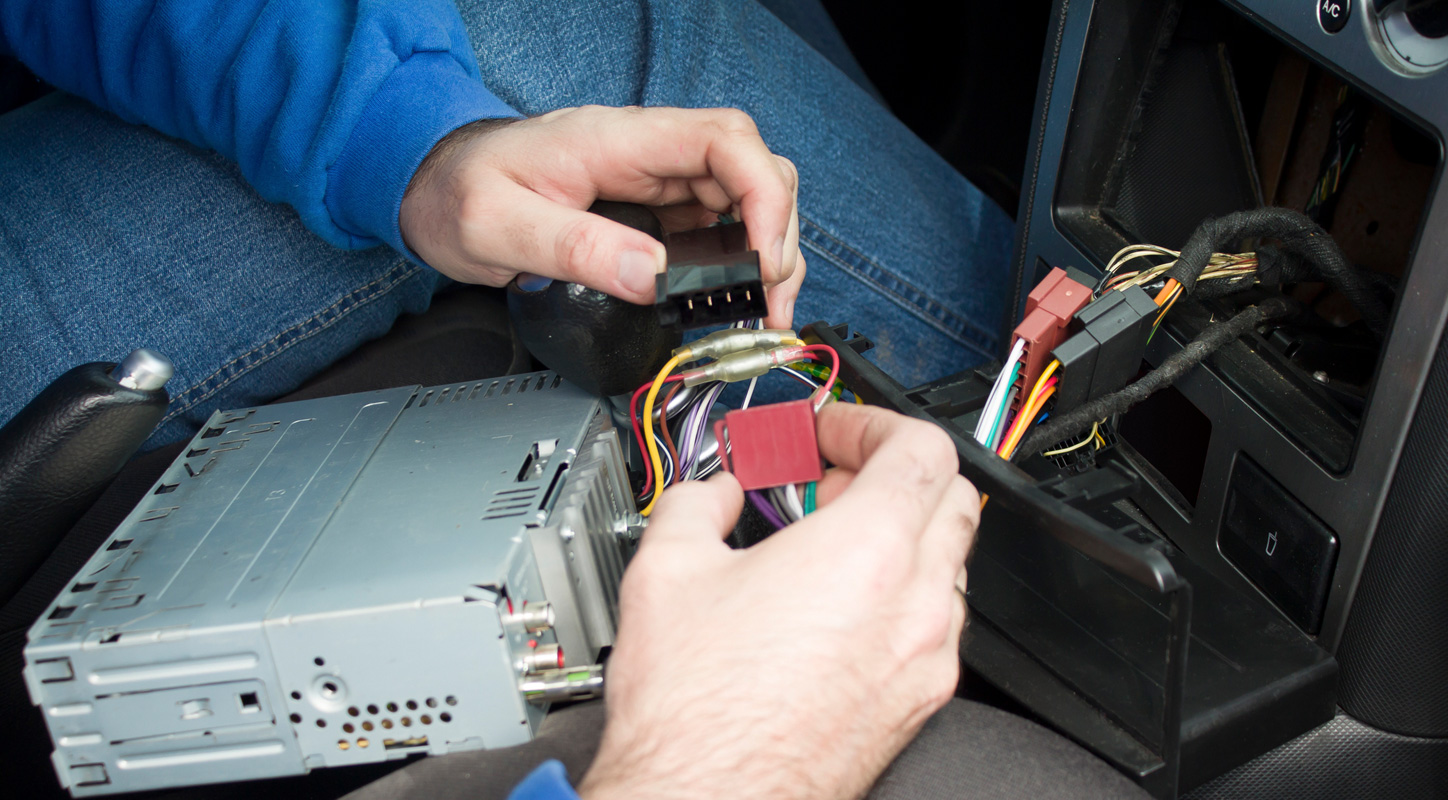
Modern cars feature a high number of valuable electronic components which can be expensive to replace. Wreckers will remove each of these components, including starter motors, electronic modules, alternators and entertainment systems.
Sometimes a wrecker will be able to remove and reuse entire engines or transmission systems. Depending on the condition of the scrapped car, these large mechanical components can still hold value. These components may be sold straight-up or sent to a remanufacturer for restoration.
Car wreckers carefully dismantle cars and put extra care into the safe disposal of hazardous materials. Examples of hazardous materials include mercury, which may feature in anti-lock brake systems, screens, high-intensity headlamps or hood mounted light switches. Another hazardous material that is common in scrap cars is sodium azide, which is the propellent used in air bags.
After the usable parts, electronics and fluids have all been removed from the car, the remaining vehicle shell is processed further. The car wreckers will remove the harnesses, heating system, air conditioning system, wiring and any remaining components.
Once the remaining shell is completely clear, it will usually be crushed flat or into a cube. This makes it easier to transport multiple scrapped cars to their next destination.
An industrial car crusher can generate over 2,000psi (lbs per square inch) for a total crushing force of 159 tons!
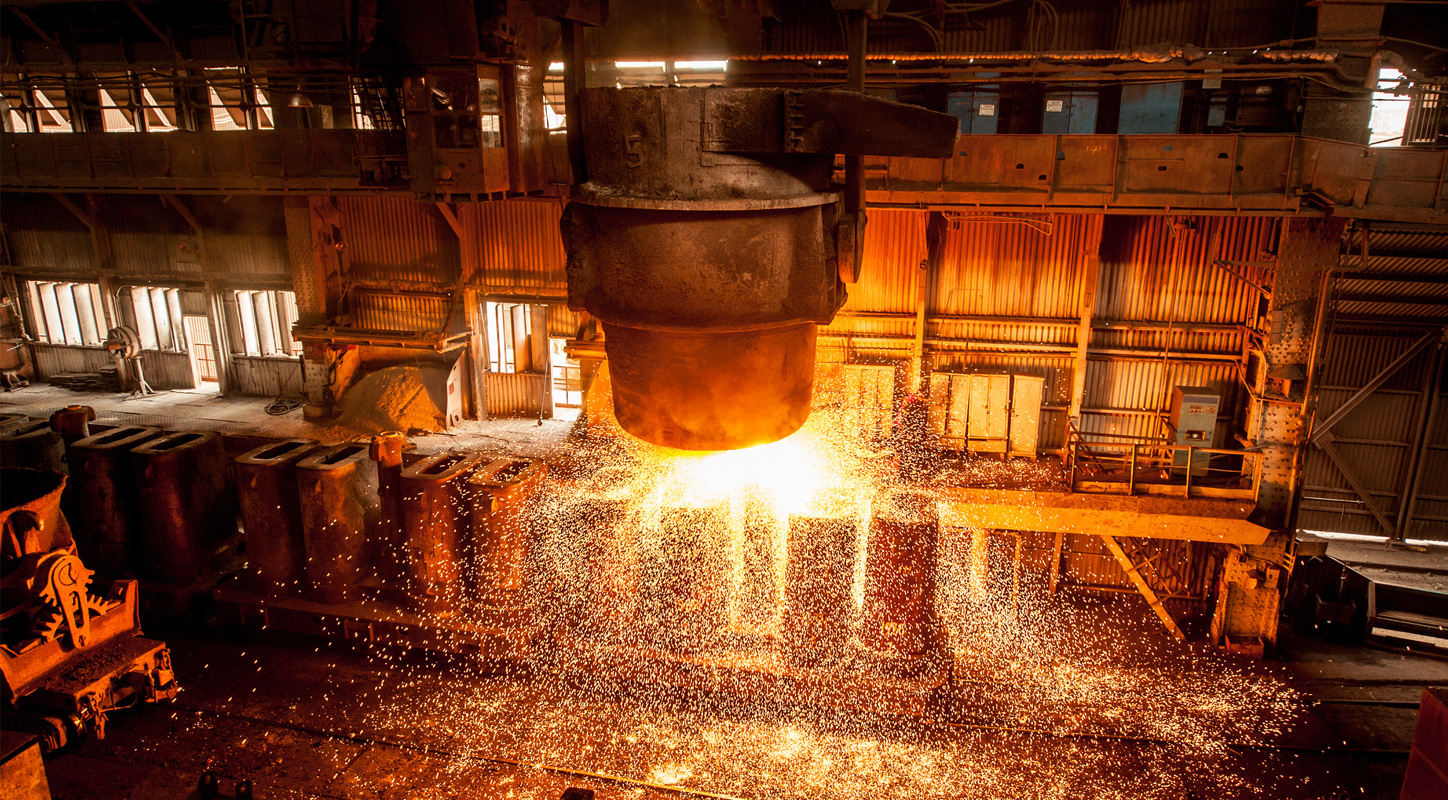
This could be an industrial shredder or hammer mill – here the vehicles will have any remaining glass, rubber or plastic removed. The car will be crushed even further into small chunk, after which it will be sold to a steel mill to be recycled.
Car wrecking is a crucially important industry that benefits, not just people, but the planet too.
Firstly, and most importantly, car wreckers help to recycle steel, which saves both energy and natural resources. Recycling steel is cheaper and uses significantly less energy than making it fresh. Car wreckers also help prevent colossal amounts of scrap metal hitting a landfill and instead help it recirculate in a useful way.
For drivers, car wreckers are important because they are the source of countless vital discounted spare parts. Buying refurbished replacement parts can save you a lot of money in vehicle maintenance. It might even save your own car from the scrap heap.
What’s more, car wreckers will pay you for your old car, making recycling your old motor even better!
Just enter your rego and postcode for a free instant scrap car quote to recycle your car