As vehicle technology has developed, so has the car crime that targets your precious wheels! We’ve taken a look at the most common, current offences, from full vehicle theft through to fake accidents and car cloning, as well as the best ways to avoid to these costly car crimes…
The most up-to-date figures on car theft are actually available from the country’s insurance industry rather than the police. AMI Insurance stated that over 9,000 claims for vehicle theft were made over 2025, which may be a relatively high number of vehicle crimes, but it is far below the peak of nearly 17,000 incidents reported in 2023.
While you may imagine luxury vehicles being the top of any thieves’ target list, the Toyota Aqua was actually the most stolen car in New Zealand in 2025 and this relatively basic model has topped the chart for four years. Toyota’s popular Corolla took second place and the Nissan Tiida came in third for the most popular car to steal. So, you shouldn’t consider any model, however ‘average’, safe from car thieves!
Interestingly, not only are the most stolen cars relatively standard in their value and size, they are also by majority quite old. 9 in 10 stolen vehicles were over 10 years old, which is said to be due to two quite different reasons… Firstly, that older models tend not to have electronic immobilisers and encrypted locking systems, making them easier to break into, and secondly, the demand for these older popular vehicles and more accurately their parts has increased in demand.
The likelihood of your car being stolen also seems to change depending on where your car is in the country…
As you would expect, vehicle thefts are concentrated in major metropolitan areas. Auckland tops the list for the highest number of car thefts due to higher population and vehicle density. In 2025 the capital accounted for 36% of national thefts.
While Auckland will no doubt remain the primary hotspot for car theft and continue to lead the data in total volume, Gisborne and Canterbury both qualify as a car theft hotspot due to their high theft density relative to their population sizes. (Interestingly, recovery rates in Canterbury are very high – over 90% – with many cars being stolen for quick transport or joyriding, rather than parts.)
Based on total numbers of vehicles stolen, Waikato, Wellington, Bay of Plenty, Manawatū, Northland and Hawke’s Bay make up the rest of New Zealand’s car theft hotspots.

What has changed about car theft over the years is the method in which thieves can gain access to your car. Long gone are the days where a crow bar and brute force were the tools of choice, now a car thief can get into a modern vehicle without even touching it.
Unlike our neighbours in Australia, where one-in-five car thefts is estimated to be through keyless entry, only around 4% of stolen vehicles in New Zealand are thought to be subject to this kind of theft. This is of course because so many of the vehicles stolen here are older vehicles. But as modern security for cars develops and in turn, more of the vehicles being stolen have these features, keyless theft will of course become more common.
Keyless car theft is therefore already being reported as an emerging trend in New Zealand and a growing concern for newer, higher-value vehicles. While national data on specific car crimes is hard to find, insurance companies have been clear that while 2025 saw a slight drop in overall car thefts, high-tech methods to bypass modern car security was on the increase among organised crime groups. Police in Blenheim and Manawatū have issued specific warnings about spikes in ‘relay device’ car thefts.
So, exactly how are cars are being stolen using high-tech methods? There are various forms of key jacking…
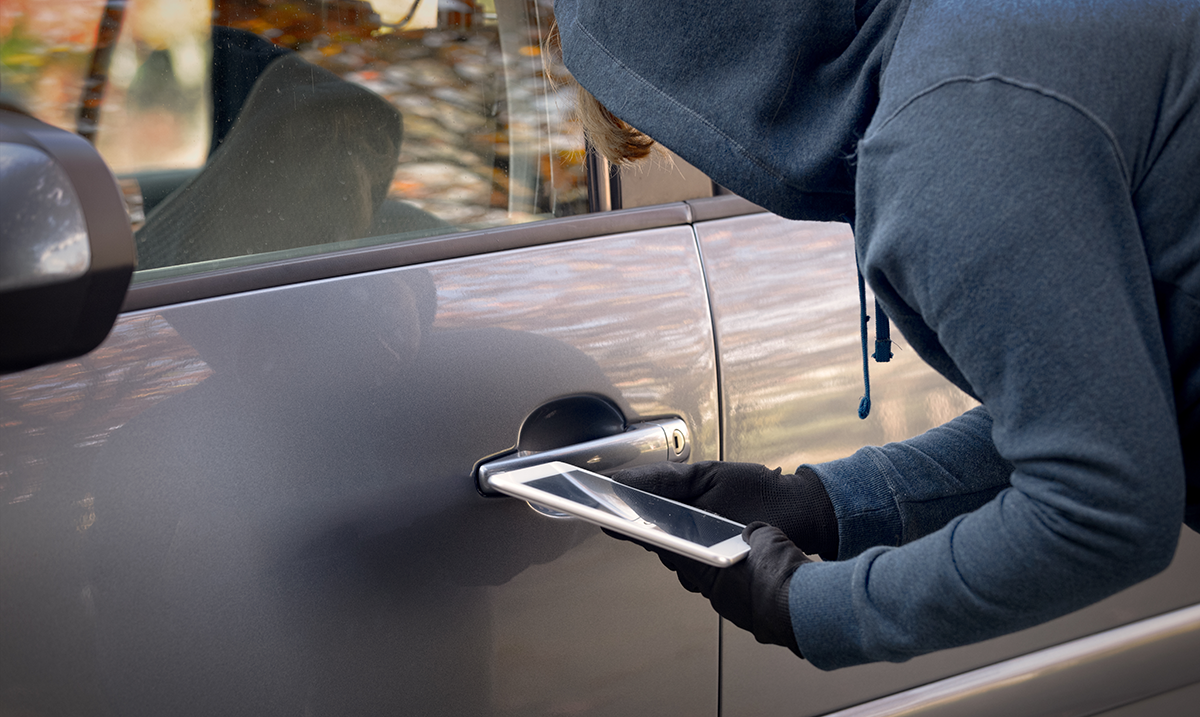
Relay theft involves targeting cars parked near to the owner’s home. Two devices – a relay transmitter and an amplifier are used in tandem to trick the car into thinking the key is closer than it is, which means the car can be unlocked, started and driven away. This criminal equipment can be purchased for as little as $200 and has naturally become a growing problem for those tackling car theft.
Car key code grabbing is exactly as it sounds. Criminals wait for an opportunity, usually in public parking areas, to capture a key code using an electronic tool as the owner locks their vehicle. The code is then downloaded onto a blank key and used to steal the car.
On-board diagnostics system compromise uses a device that vehicle technicians would legitimately use to check the health of the car. But of course, this technology can be exploited by criminals to gain information on the car including the key’s unique code, which can then be used to create a duplicate key.
Transponder key cloning relies on criminals gaining original keys through businesses that may be entrusted with them for short periods of time such as garages or car washes. A device is used to copy the code from the original key onto a blank key, which is then used to steal the car at a later date.
Electronic control unit replacement means hacking or replacing what is essentially the computer controlling a vehicle’s electrical systems. By controlling this, thieves can start and drive a car away, but it’s not an easy or quick method of car theft, so it’s more likely to be used on vehicles parked overnight.
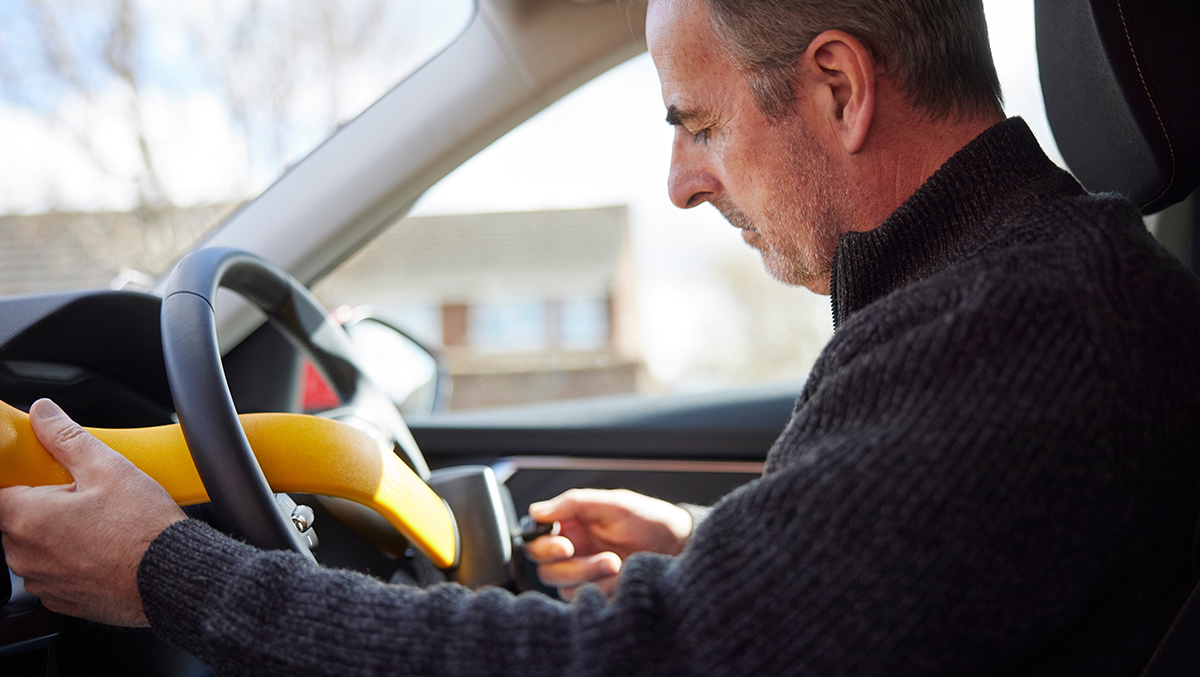
Believe it or not, the old fashioned steering wheel lock is one of the best way to deter car thieves. While it’s not impossible to remove a wheel lock, it’s a hassle, and far more time consuming than most thieves will be bothered with. Even if they can open and start your car easily, that’s useless without being able to steer!
Another, more advanced ‘lock’ is the type you can now buy for your vehicle’s On-Board Diagnostic (OBD) port. Installing a lock on the OBD port will physically prevent thieves from plugging in devices to reprogram keys.
The majority of modern cars have an alarm, but if you have a basic or vintage model, it’s definitely something you should consider.
Immobilisers are also a useful security device. All cars manufactured since July 2001 have an immobiliser fitted as standard, but you can purchase additional systems that will offer increased security and protection against car theft.
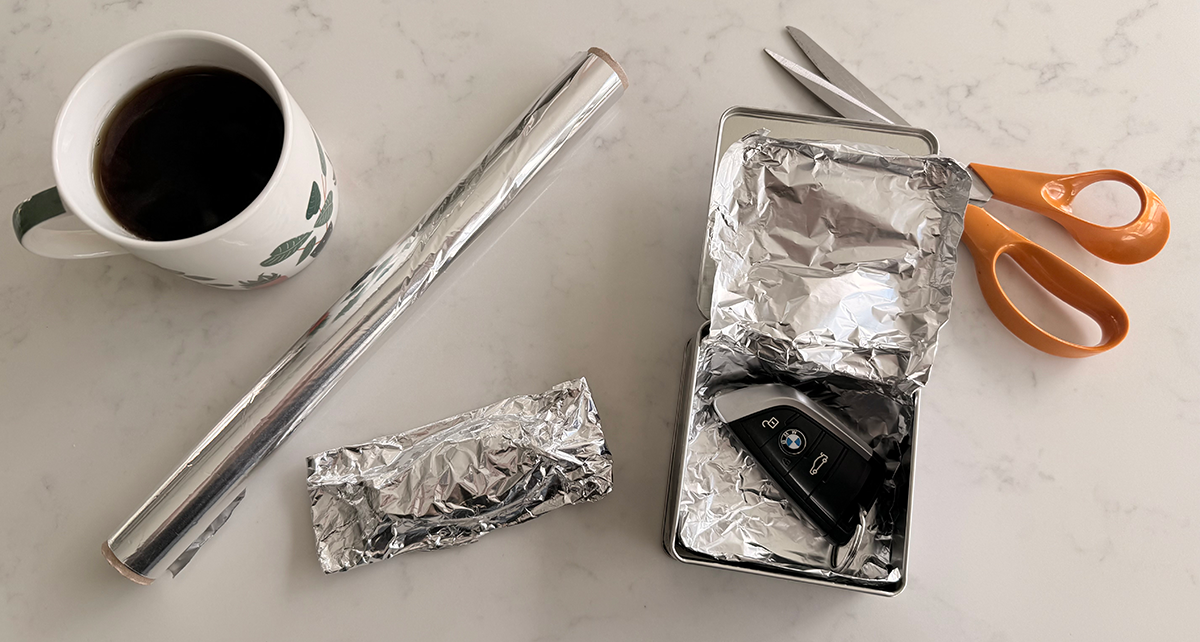
Blocking the signal from your car key (and spare keys!) is also a really simple but effective tool against some of the car theft methods we’ve described. Using a good quality, purpose made, ‘Faraday pouch’ will offer the best protection, but there are DIY methods that will block or at least inhibit those signals, if done correctly. Use aluminium foil or copper mesh to line a tin made from conductive metal and ensure it will close tightly for the best results.
 The latest tech available is a ‘sleeping’ car key battery… This smart battery uses a motion sensor and goes into sleep mode if the key hasn’t moved for over three minutes. Simply, this means that once you’ve put down your keys at home and left them still, no signal can be sent to the car and relay theft is impossible.
It’s less common, but frighteningly still a reality, that criminals may break into your house specifically to target car keys. Protecting your car against this kind of theft is, of course, to actually secure your home. Ensure any entry to your house is properly locked and secured, use your house alarm, don’t leave valuables in view of windows, including your car keys, which should be in a secure place.
Another general, worthwhile security measure, but one that also specifically protects from transponder key cloning, is checking that the garage, valeting or car washing service you’ve chosen to use is trustworthy, before handing over your keys.
To reassure those of you who have suffered car theft and fear it may end up being sold to a wrecker – our network always checks that vehicles haven’t been reported as stolen. Not only that, but we can only purchase vehicles where proof of ownership can be provided.
Theft from vehicles is hardly a modern crime and as you’d probably imagine, the majority of thieves wouldn’t go to the effort of using the sophisticated technology methods we’ve described only to steal some loose change or a shopping bag.
There are no specific figures for theft from cars, as many thefts of smaller items are unreported and some ‘vehicle break-ins’ are part of the wider car crime data. However, with insurance companies reporting such a high number of claims in this area (9,000+ from just one company) it’s fair to suggest this is an issue for car owners across the country.
Police have also reported a significant rise in ‘opportunistic theft’ from cars, particularly in tourist areas. Thieves have apparently become adept at identifying rental cars or vehicles belonging to visitors and assume they contain valuables like luggage and electronics, even if nothing is visible. Police and travel safety groups have also issued warnings during school holidays and the busy summer season, where patrols have been increased in the high-traffic regions of Canterbury and Auckland.
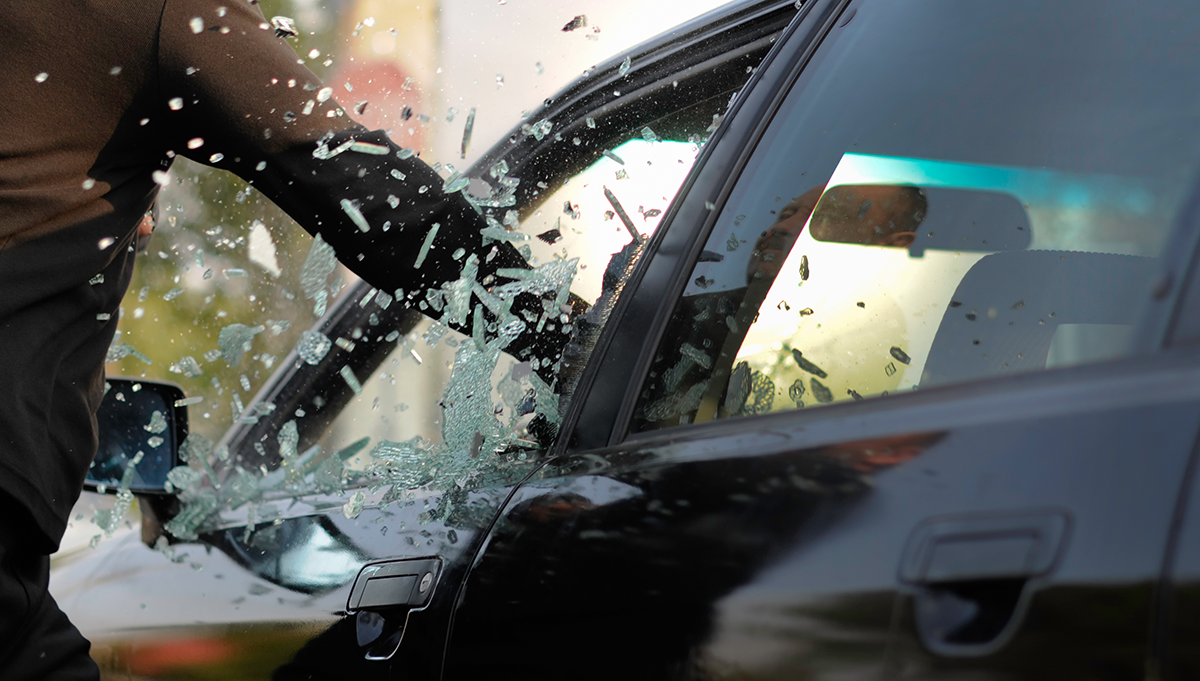
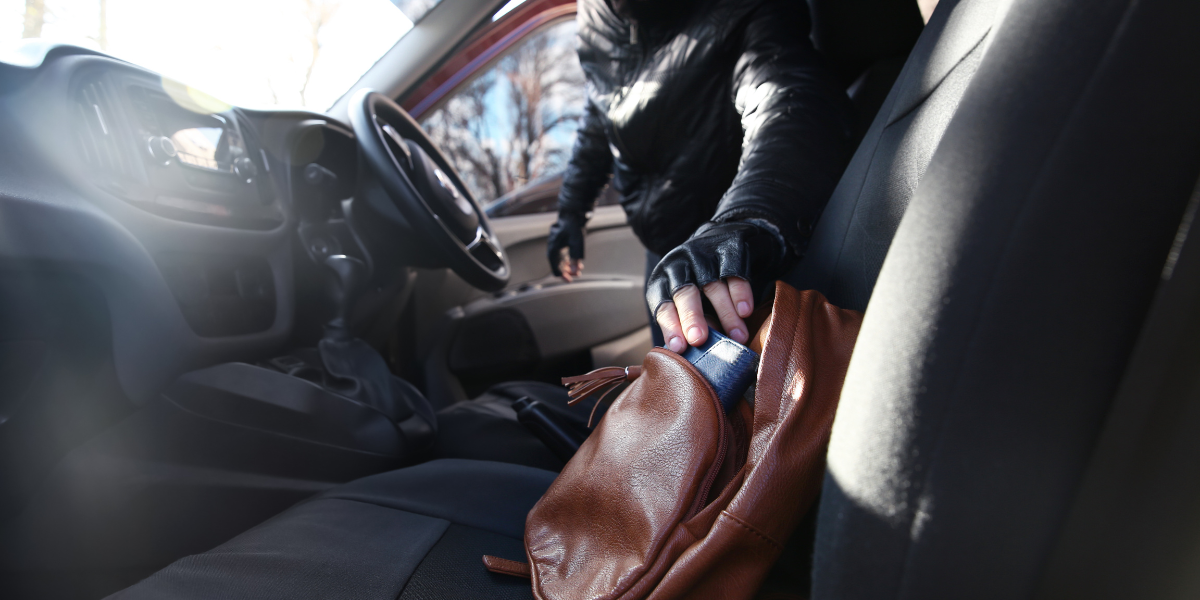
According to police and AA insurance, the items most likely to be stolen from a car are portable electronics, personal accessories, small valuables and financial items. Topping the list is mobile phones, laptops, tablets (iPads) and sat navs. Items such as sunglasses, watches, jewellery and even medication are said to be targeted, while the usual financial items include wallets, handbags, purses and credit cards. It’s always worth bearing in mind that thieves may even break into vehicles for as little as a few dollars in loose change.
As well as personal items, tool theft from vehicles is a significant and growing problem in New Zealand, usually affecting tradies. Thieves often target toolboxes on the back of utes or work vans, whether on domestic driveways or at construction sites.
Theft of car parts has also grown over the years. Catalytic converters have always topped this ‘stolen parts’ list as they contain precious metals such as platinum and can be sold for high prices. While modern tracking measures have reduced their theft in newer vehicles in recent years, they are still a target on older vehicles. Older cars are also targeted for general parts as there is such a high demand from NZ’s aging fleet. As are commercial vehicles like the Toyota Hilux and Ford Courier, which are targeted as they are such common models and their parts are easily interchangeable.
Other car parts commonly stolen include wheels, as alloys and tyres are easy to sell on the second hand market for a high price. A relatively new trend has seen an increased theft of electric vehicle charging cables following the rising price of copper.
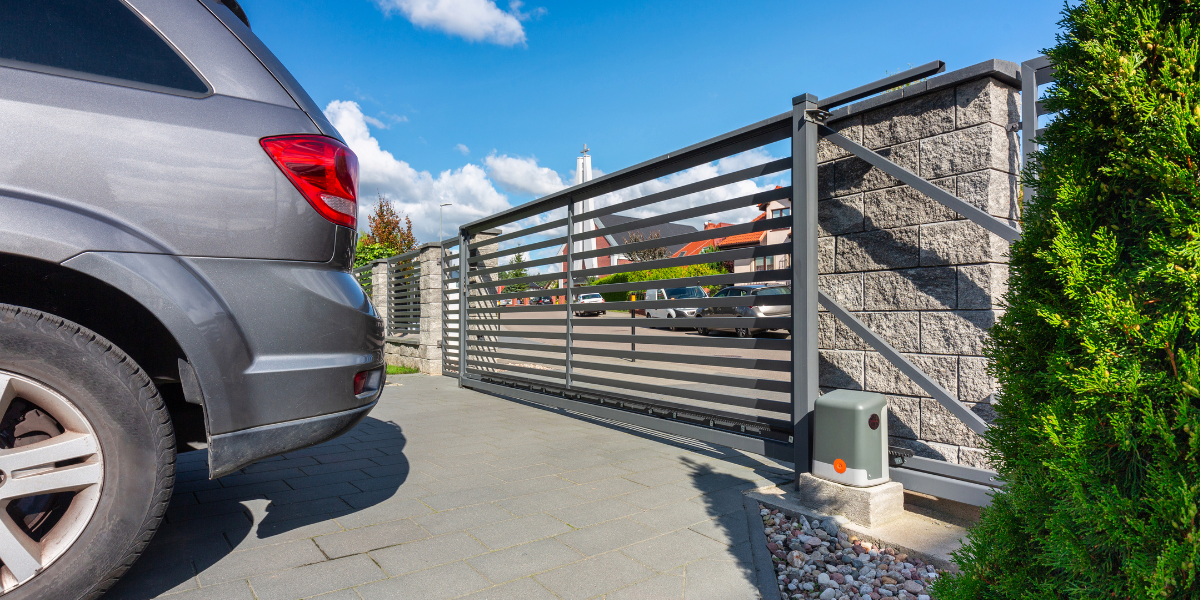
No matter whether your car is being stolen in its entirety, or it’s being broken into for an opportunistic or planned burglary of items, a significant proportion of car theft crime happens outside a home. Clearly there are some precautions you can take as deterrents – gates or a barrier on your driveway, security lights etc – but these aren’t always options.
If you are parking away from home, it’s always recommended to leave your vehicle in a well-lit and busy location, as thieves are less likely to target vehicles in busy locations with good visibility, but again there are limited precautions you can take when simply finding a place to leave your car.
What these situations highlight is the need to use other vehicle protection methods in addition to a sensible parking spot.
We mentioned car alarms in vehicle theft and they are even more effective for vehicle break-ins as the criminals in these instances are less likely to have a method of disabling them and more likely to abandon their crime if an alarm sounded.
Don’t leave valuables in your car! Or, if you don’t have a choice, at least ensure they are out of view and ideally, secured. Remember that even a small bag of food shopping could be considered worth breaking into your car for, so making sure any item is hidden takes temptation away.
Tool theft can be a harder ‘contents’ theft to manage if you have a work ute or van, because of accessing tools throughout the day. For tools that do have to stay in your vehicle, they should be kept out of sight and secured in a locked, bolted-down toolbox. Always remove them at the end of the day and use signage to explain no tools are stored in your vehicle overnight. It’s also highly effective to mark or ideally engrave your tools with your driver’s licence number – it makes them harder to sell, easier to return if recovered, and helps convict any criminals caught with them. Some power tool brands now even offer integrated Bluetooth or GPS tracking to help locate stolen gear. NZ Police also run Operation Snap – an asset list partnership that enables owners to record serial numbers on the SNAP website and helps police track stolen property.
* Note that most standard car insurance policies do not automatically cover trade tools and you should look to purchase a specific tool insurance policy.
When it comes to protecting car parts from criminals it can be tricky! There are a few physical things you can do though – folding in your wing mirrors and locking them in place makes a thief’s job harder, as does leaving your wheels at a 45 degree angle, close to the curb. A car alarm should help deter a criminal trying to access your battery, you can also purchase battery locks and/or an additional bonnet lock. By etching your VIN number on your catalytic converter it will be worth less to the thief and may even make its way back to you if it’s recovered. There’s very little you can do to avoid your car emblem being stolen, but all the security methods mentioned here will help protect your vehicle in general.
After all these tips to protect your car from break-ins, remember the simplest piece of advice – to lock your doors and close your windows! While the stat that around 50% of cars show no signs of forced entry would support the evidence of growing high-tech keyless thefts there are still a large proportion that are accessed from an open door or window. People are much more likely to feel safe leaving their cars unsecured on their own driveways, which is why so many thefts happen in domestic settings.
So, while all the precautions we’ve covered are sensible and worthwhile, the most important preventative method is also the most simple – never leave your car running, even for a moment, and always check you’ve closed windows and locked it!
‘Crash for Cash’ is the modern motor crime causing governments and the insurance industry a major headache. While many people are now savy to this serious fraud, if you are targeted, it’s actually very hard to prove your innocence.
If you are not aware of the term ‘crash for cash’ we’re sure you haven’t struggled to figure it out – accidents are staged, involving deliberate car crashes, usually with innocent road users involved, to gain profit from fraudulent insurance claims. Usually these scams are based on exaggerated injuries or damage.
The Insurance Fraud Bureau (IFB) has highlighted a significant rise in staged accidents and associated fraud, with approximately 10% of all NZ motor insurance claims in 2024 flagged potentially fraudulent, costing the industry over $200,000,000. Of course, those massive losses are not shouldered by the insurers, but recovered through higher premiums being charged to innocent policy holders. Although, sadly, natural disasters have had a huge impact on premiums in NZ, fraud has had its part to play in the price hikes with the average cost of premiums having risen by over 40% in just two years, with a typical policy now exceeding $1,350.
This ‘new’ crime is also developing quickly. Investigations have revealed that there are organised crime groups involved – offering cash for vehicles to use in staged incidents. AI is also being used to help fraudsters create highly convincing but fake accident photos and police reports for accidents that never happened.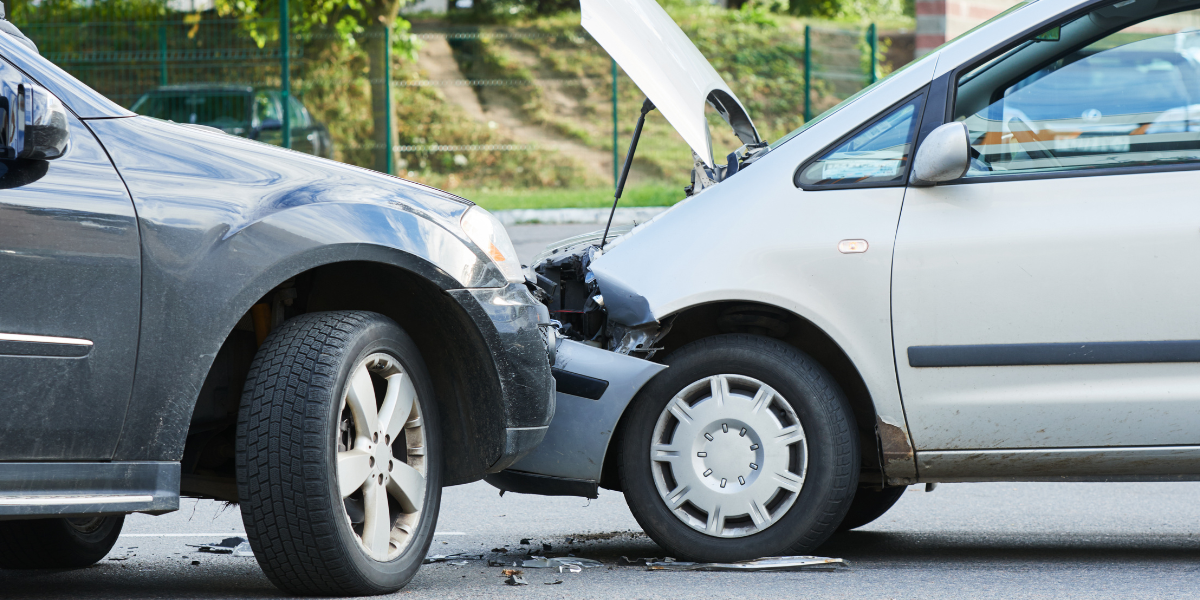
The reason these scams have been successful, is that the processes and laws dealing with them have been designed to protect the innocent, which these criminals are setting themselves up to be. However, government agencies are working hard to tackle this relatively new car crime.
In 2025 the government established the New Zealand Anti-Scam Alliance, while this isn’t to tackle motor fraud specifically, it will help to dismantle organised criminal rings, which are orchestrating staged vehicle crashes. The government has also passed new ‘safe harbour’ legal protections that give telecommunications providers and financial organisations the ability to block suspected scam actors, suspicious payouts, or fake digital profiles swiftly without the fear of being sued.
While data from these motor fraud crimes is passed to the IFB, blatant ‘crash for cash’ incidents are dealt with directly by NZ Police and the Serious Fraud Office, with severe penalties for criminal fraud convictions including maximum prison sentences of up to 10 years. There is also stricter regulatory oversight on vehicle repairers (via the Motor Vehicle Disputes Tribunal), which is used to spot anomalies in claims validations – identifying professionals that have either been manipulated or given dishonest reports for car damage or medical reports. Another tool the government is using to tackle motor fraud is their support of the Insurance Claims Register, which holds over a decade of national claims history and ‘red-flags’ scammers so they can’t repeat offences by targeting different insurance companies.
There’s not a lot you can do to avoid this awful crime but a key piece of advice for drivers is to install a dashcam, as video evidence is the most effective way to prove a collision was staged and may even deter a scammer.
The only other preventative measures you can take involve defensive driving and being aware of suspicious behaviour. We should all maintain safe distances when driving, but it’s essential to give yourself time to react to a scammer’s ‘brake-check’. Be wary of another driver flashing their lights or waving their hand to indicate you are safe to join traffic as you may be lured into a planned collision. It’s also important to watch out for cars without working brake lights, slowing down for no reason, or driving erratically.
As we’ve explained, the authorities and the insurance industry are very much aware of this scam, so you will have common sense on your side, but it’s important to follow the processes in place and report the incident to all invested parties.
The authorities’ advice is not to challenge anyone at the scene of the incident. Try to deal with it as you would a genuine claim. Don’t admit any liability, don’t hand over any cash, and get as much information and evidence (photos, independent witnesses etc) as you can – that should be of both vehicles, the scene in general and road conditions, registration plates, passengers, and close ups of damage and any suspected pre-existing damage. Call 111 immediately if there are injuries, if the other party behaves aggressively, or if vehicles are dangerously blocking traffic.
Ensure you make a physical note of all the other cars involved and every passenger, so fraudsters can’t make up ‘phantom passengers’ after the event. As well as contacting police at the scene, remember to notify your own insurance provider immediately – inform the claims team of your fraud suspicions and supply all your photographic evidence and dashcam footage.
As soon as possible after the event, file a non-emergency report to the police by calling 105 or using the NZ Police 105 Online Portal making it clear that you believe the collision was staged intentionally and you suspect fraud. You should also alert the IFB, which you can do via an anonymous report with the IFB NZ Report Fraud Channel. The scam driver’s details will automatically then be cross-referenced across the national insurance database to check for a pattern of staged crashes and ‘red flag’ their name.
Car cloning isn’t new, but it is a rapidly growing car crime that can cause a huge amount of distress and inconvenience. While there is limited national data available, it is known to be experienced and reported now widely across the country and is said to be more prevalent due to the increased use of Automatic Number Plate Recognition (ANPR) cameras. Worryingly, it is also a sign of more serious criminal activity, as cloning is used to hide the identity of stolen vehicles.
Car cloning isn’t as technical and futuristic as it sounds, it’s simply reproducing your number plate and putting it onto another vehicle, leaving you liable for all of its illegal activities. Innocent car owners are left receiving speeding tickets, parking fines, toll road fines and other driving related penalties. Cloned plates are often used for stealing fuel from service stations and even on vehicles used in serious crimes, such as ram raids and police chases.
There are national measures to combat car cloning with digital surveillance, rapid-response linked databases and improved bureaucratic protections, but none of these can protect your plates being cloned in the first instance. There are some precautionary measures you can take to try and avoid being targeted by this modern car crime…
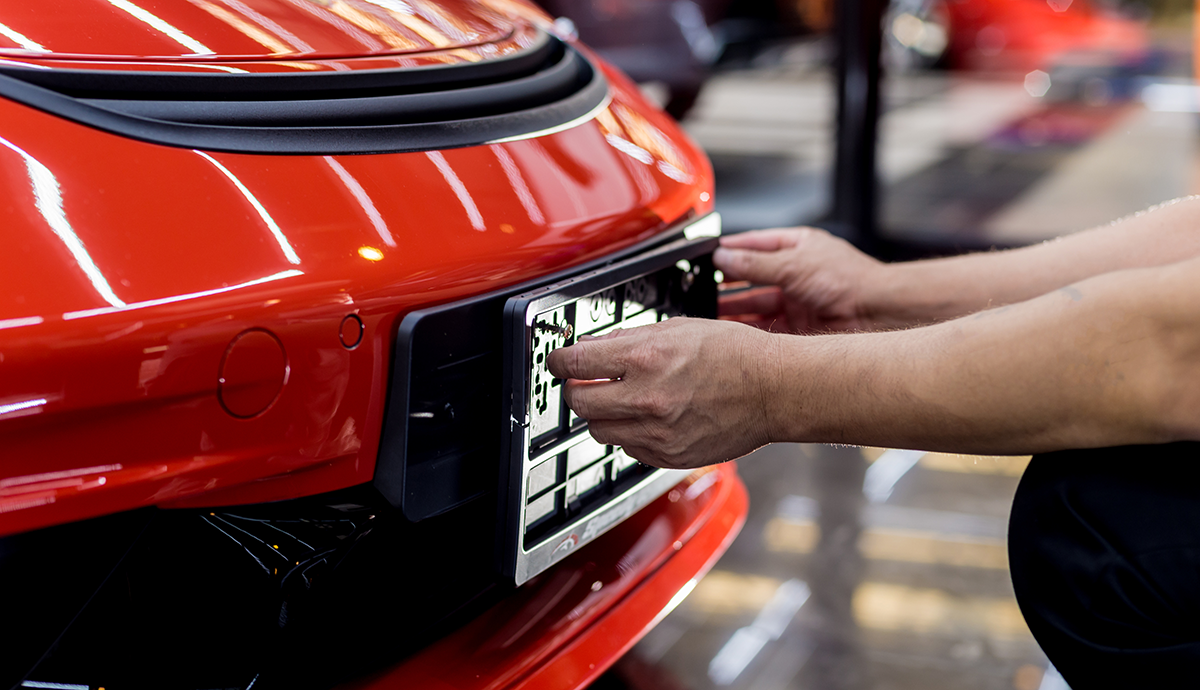
Although it’s more likely to be a digital crime, some thieves do actually steal your physical licence plates. A simple and effective method to prevent this is to use one-way anti-theft screws, which can be installed with a regular screwdriver, but require a special tool to remove them. Community Patrols of New Zealand (CPNZ) do hold ‘Safer Plates’ events – installing them for free or for a small donation. It’s recommended to check the Facebook pages of local community patrols to find up-coming events in your local area.
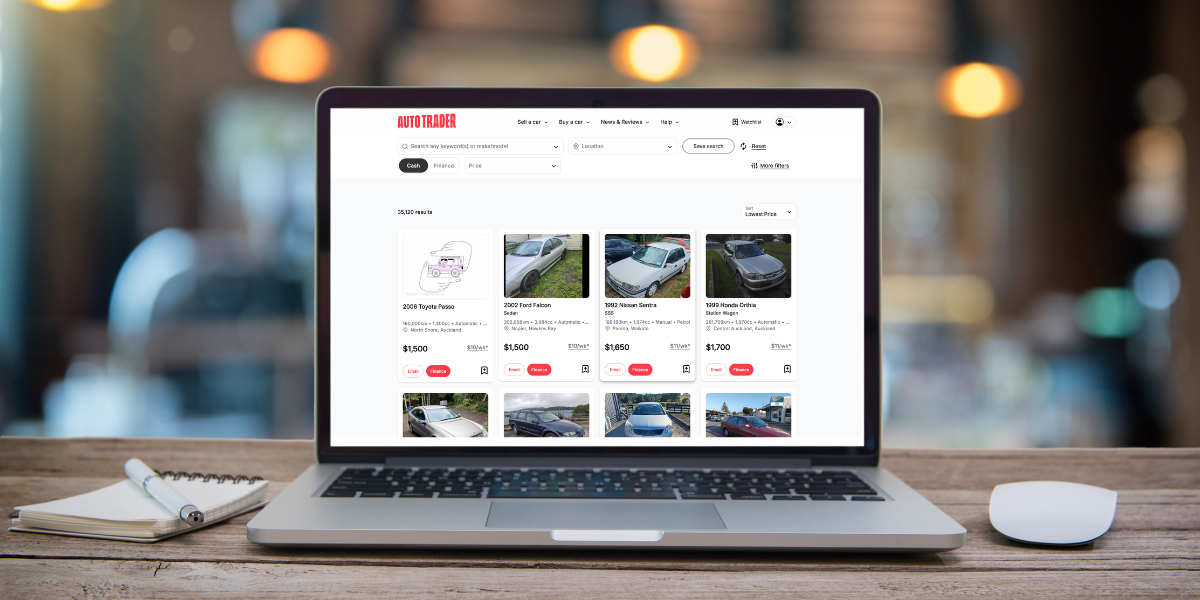
In terms of digital cloning, cars are most vulnerable on sales sites where criminals ‘shop’ for plates searching for a make, model and colour that matches their own vehicle. To tackle this crime, some platforms are now using AI to automatically blur reg plates, but you should always take the time to do this yourself, particularly when selling your car directly on sites such as Facebook Marketplace. Remember to keep your reg plate hidden if a supposed buyer asks for a video of the car, or for more photos from different angles. It’s also worth noting that you should never list your car’s VIN in the description, which may be used in high-level cloning.
A simple but helpful deterrent for license plate cloning is ensuring your car has distinguishing or unique features such as vinyl stickers / badges etc. You can also use custom or slimline plates which make your car more identifiable.
If you and your car have fallen victim to this crime then the key is to act quickly. If your plates have been physically stolen then report it immediately through the NZ Police 105 non-emergency service to get an incident number, which you will need to refer to if you receive false future fines linked to that plate.
To stay ahead of the scammers you can check your toll accounts – if you notice trips logged at times or locations when you know you weren’t there, it’s an early warning that your plates have been cloned.
Never ignore official mail about your vehicle – fines for parking or speeding, even if you know they can’t be you, must be responded to – and the faster you identify a scam the better. Contact the issuing authority of the penalty, whether that is the police, a private parking company or local transport authority and produce any evidence you can to show it wasn’t your car in that location.
If it’s an ongoing problem, the police advise you file an MR6A application for a replacement plate through an approved NZ Transport Agency Waka Kotahi agent. Officially changing your registration number and making sure you update all associated records, including your car insurance, means you can no longer be liable for penalties linked to the original registration.
We hope our information on current car crimes and what you can do to protect yourself and your car has been helpful.
If your car has been damaged through crime and will cost more to fix than it’s worth we can still offer you a competitive price for it. You can get an instant quote online or if you’d rather talk through the condition of your car, do get in touch directly with our lovely customer services team who will be happy to help you.
Stay safe